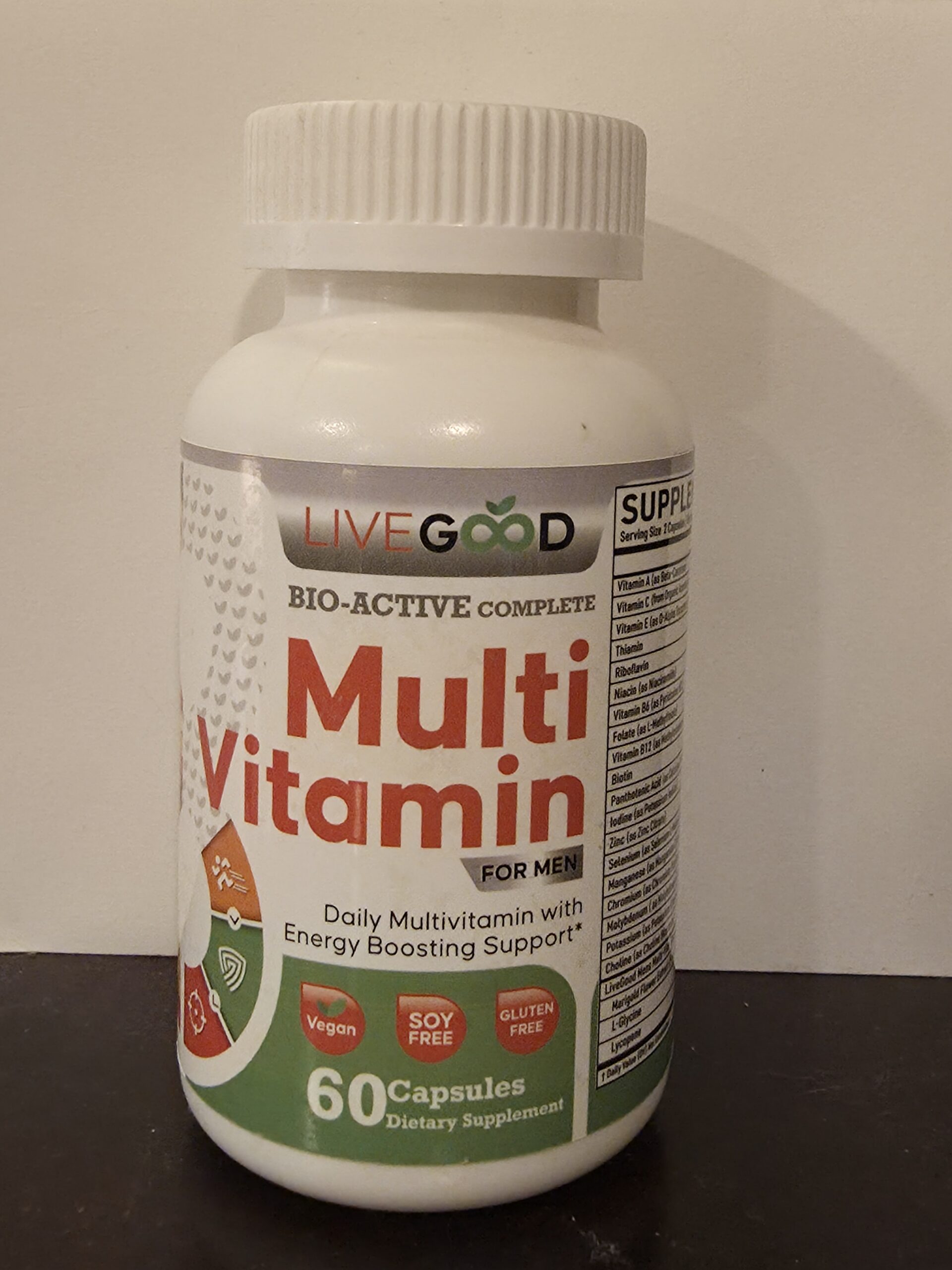
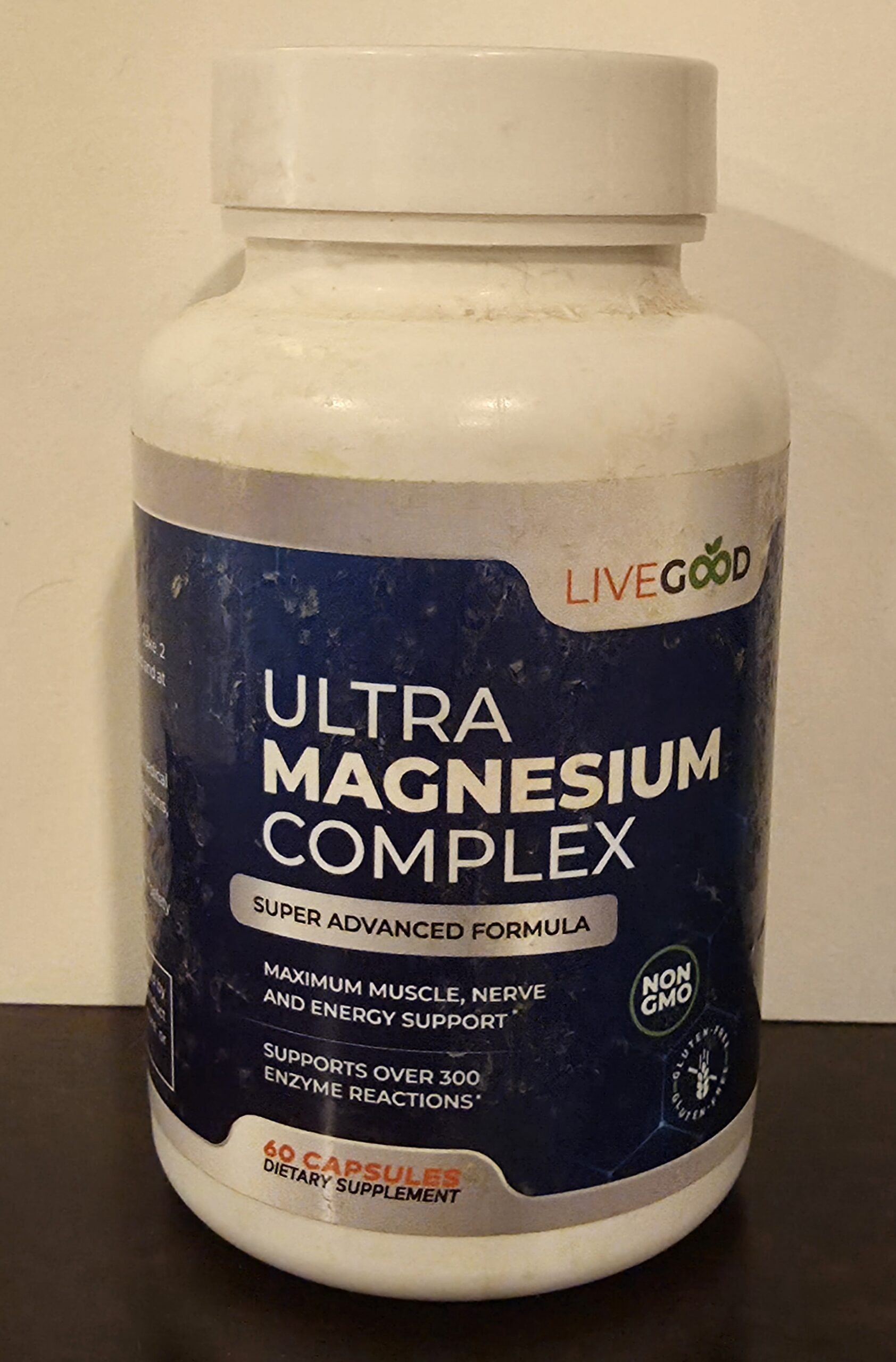
Magnesium glycinate is a supplement that has gained a lot of attention in health circles for its gentle absorption and practical benefits. I have used magnesium supplements over the years to help with everything from restless sleep to sore muscles. Through my own experience and research, I’ve found that magnesium glycinate is one of the most effective and well tolerated forms out there. If you are considering magnesium for your health, understanding how magnesium glycinate stands out and what it can offer is really important.

Understanding Magnesium Glycinate and Its Role in the Body
Magnesium plays a really important role in over 300 enzyme reactions in the body. It helps with muscle and nerve function, supports normal blood pressure, and keeps bones strong. Despite its importance, I often notice that many people—including myself at one point—don’t get enough magnesium through food alone. Low magnesium can show up as muscle cramps, low energy, poor sleep, and even mood issues.
The body absorbs magnesium glycinate easily because it bonds magnesium to the amino acid glycine. This specific structure makes it gentler on the stomach and less likely to cause the digestive upset that sometimes happens with other forms, like magnesium oxide or citrate. Many people, including myself, find that switching to magnesium glycinate means getting the benefits of magnesium without frequent trips to the bathroom or upset stomach.
Another interesting note is that magnesium levels can decrease as you age or when experiencing high stress, and certain medications can also affect absorption. If you experience symptoms like tension headaches, low appetite, or even tingling sensations, it may be worth exploring your magnesium intake as part of your health game plan.
How Magnesium Glycinate Can Support Better Sleep
One of the main reasons I started using magnesium glycinate was to improve my sleep. Magnesium is involved in regulating neurotransmitters that help your mind and body relax, preparing you for restful sleep. Glycine, the amino acid that’s part of magnesium glycinate, also supports relaxation and has a calming effect on the brain. For me, taking magnesium glycinate an hour before bedtime made it easier to fall asleep and stay asleep through the night.
Research backs up this personal experience. Studies have shown that magnesium supplementation may help people with insomnia or occasional trouble sleeping. The gentle effect of magnesium glycinate makes it a good choice for those who want to avoid the digestive side effects that can sometimes make bedtime supplements unpleasant.
- Helps with Falling Asleep: Many people, including myself, notice that magnesium glycinate helps relax both the body and mind, making it easier to drift off at night.
- Improves Sleep Quality: I found that I woke up less frequently and felt more rested in the morning.
- Gentle on the Stomach: Because of the way magnesium glycinate is absorbed, it rarely causes tummy troubles, which is really important if you already have a sensitive digestion.
If you’ve tried other sleep aids or interventions and struggled with a groggy feeling in the morning, magnesium glycinate might be a good solution since it doesn’t cause drowsiness during the day. Combining a consistent sleep routine—such as dimming lights, avoiding screens before bed, and some gentle stretching—with your supplement can further step up your results.
Benefits for Muscle and Nerve Health
Another area where I’ve seen magnesium glycinate shine is in relieving muscle cramps and supporting proper nerve function. Magnesium plays a direct role in managing muscle contractions and nervous system communication. Whether you deal with soreness after exercise or get “charley horses” while sleeping, adding magnesium glycinate to your nighttime routine can make a noticeable difference.
- Reduces Muscle Cramps: Supplementing with magnesium has helped me cut down on nighttime leg cramps and post workout muscle stiffness.
- Supports Muscle Recovery: Many athletes use magnesium for quicker recovery and less soreness after intense physical activity.
- Maintains Normal Nerve Function: Magnesium helps carry electrical signals through nerves, supporting everything from reflexes to heartbeat regularity.
Proper hydration, stretching, and balanced electrolytes work together with magnesium intake to give extra support to muscles. If you are engaging in regular physical activity, especially endurance sports or heavy lifting, magnesium glycinate can help your body recover and perform at its best.
Potential Impact on Mood and Stress Levels
Magnesium is closely tied to the body’s ability to handle stress and manage mood. I have noticed that when I’m low on magnesium, I tend to feel more on edge and irritable. This isn’t just my imagination; research suggests that people who are deficient in magnesium may be more likely to experience symptoms like anxiety and restlessness.
Magnesium glycinate is a strong choice here because glycine also has natural calming properties. Taking this supplement regularly has helped me feel more balanced, especially during busy or stressful times. The effects aren’t dramatic or sudden, but I definitely feel steadier during the day.
- Reduces Feelings of Stress: Regular use can help keep stress from building up, making challenging days feel a little easier.
- Supports Stable Mood: Many people, myself included, report fewer mood swings and better daily focus.
- Combines Two Calming Nutrients: Both magnesium and glycine contribute to a steady, calm mood, which helps with both short term stress and long term resilience.
Beyond supplements, making time for deep breathing, mindfulness, and moderate exercise further supports mood and stress levels. Magnesium glycinate is a reliable part of this mix, and some people also track mood changes in a journal to spot how dietary changes are working for them.
Gentle Support for Digestion and Heart Health
Some forms of magnesium, like magnesium citrate, can have a laxative effect. This is sometimes useful for people who need help with occasional constipation, but for many, it’s a drawback. What I appreciate most about magnesium glycinate is its gentle effect. I can take the recommended dose without worrying about running to the bathroom. This makes it easier to keep up with my supplement routine and get consistent benefits.
Magnesium also helps maintain a steady heartbeat and normal blood pressure. While magnesium alone isn’t a treatment for heart problems, regular intake through diet or supplements may contribute to better heart health over time. I always recommend working with your healthcare provider if you have concerns about your heart, but having enough magnesium creates a solid foundation for overall wellness.
- Doesn’t Upset Digestion: Magnesium glycinate is much less likely to cause diarrhea or stomach cramps, so it’s suitable for people with sensitive systems.
- May Support Heart Health: Regular supplementation can help keep blood pressure in a healthy range and support normal muscle function in the heart.
Maintaining good hydration, routine exercise, and balanced nutrition alongside your supplement can further boost your digestion and cardiovascular well being. If you’re looking to boost heart health, take note of sodium, potassium, and calcium intake too, as they all interact together along with magnesium.
How to Take Magnesium Glycinate Safely and Effectively
I focus on consistency rather than high doses. Typical amounts range from 200 to 400 mg daily, but personal needs can vary. You can take magnesium glycinate with or without food. For sleep support, I usually take mine in the evening. If your main goal is muscle recovery, you might find it makes sense to take it after a workout or at bedtime.
If you’re taking other medications or have kidney problems, talking with your doctor before starting magnesium glycinate is really important. Too much magnesium from supplements can cause problems, but for most healthy people, following the label directions helps you avoid any issues.
Starting with a lower dose and upping it gradually can help your body adjust, and splitting your daily dose into morning and evening servings may ease stomach uptake for some people. Always look for supplements from reputable sources and double check labels for unwanted fillers or additives.
Common Questions About Magnesium Glycinate
After answering countless questions from friends and clients, I’ve put together helpful answers to what people most often want to know about magnesium glycinate.
Question: What makes magnesium glycinate different from other forms?
Answer: Magnesium glycinate is made by combining magnesium with glycine, an amino acid. This combo is absorbed very well by the body and is less likely to cause digestive issues, which I found especially helpful.
Question: Can I use magnesium glycinate every day?
Answer: Yes, many people use it daily, but sticking to recommended dosages is important. I always check with my doctor before starting or changing any supplement routine, and I recommend you do the same, especially if you have health issues or take other medications.
Question: How soon will I notice results?
Answer: Some effects, like better sleep or reduced muscle cramps, might appear in a few days to a week. Others, like improvement in mood or heart health, might take a few weeks. When I first started, better sleep came quickly, but improvement in muscle recovery took a little longer.
Real World Uses and Extra Tips
Magnesium glycinate works well as part of a wider routine. For example, I’ve found that combining it with other healthy habits, like eating leafy greens, nuts, and seeds, makes the benefits more noticeable. If you exercise regularly, magnesium glycinate can help you feel less sore and ready to go again sooner. If sleep is a challenge, adding magnesium glycinate alongside winding down routines can make a big difference.
- Pair with Other Magnesium Rich Foods: Combining supplements with foods naturally high in magnesium can fill nutritional gaps and make benefits more noticeable.
- Track Your Symptoms: If you’re starting magnesium glycinate to address a specific issue, keep track of how you feel over time. Noting changes in sleep, mood, or muscle soreness helped me see what was working.
- Start Low, Go Slow: Begin with the lower end of the recommended range to see how your body reacts. You can bump up the dose if needed and you don’t notice any side effects.
Other tips include drinking enough water, spreading your intake throughout the day, and pairing magnesium with vitamin D and B vitamins for extra metabolic support. Even simple routines like gentle stretching or a short evening walk can enhance magnesium’s calming benefits.
Recap of Main Benefits and Considerations
My experience and the research agree that magnesium glycinate supports restful sleep, helps with muscle and nerve function, supports stress management, and is gentle on the digestive system. The key to making the most of it is sticking with it consistently and paying attention to how your body feels.
Compared to other forms, magnesium glycinate is a practical choice if you are sensitive to digestive issues or want a version that absorbs well. Remember that supplements work best as part of a balanced lifestyle, and talking with your healthcare provider keeps things safe and personalized. Sticking to whole foods, routines tailored to your needs, and open discussions with your doctor will help you get the full benefit from your magnesium glycinate supplement.