
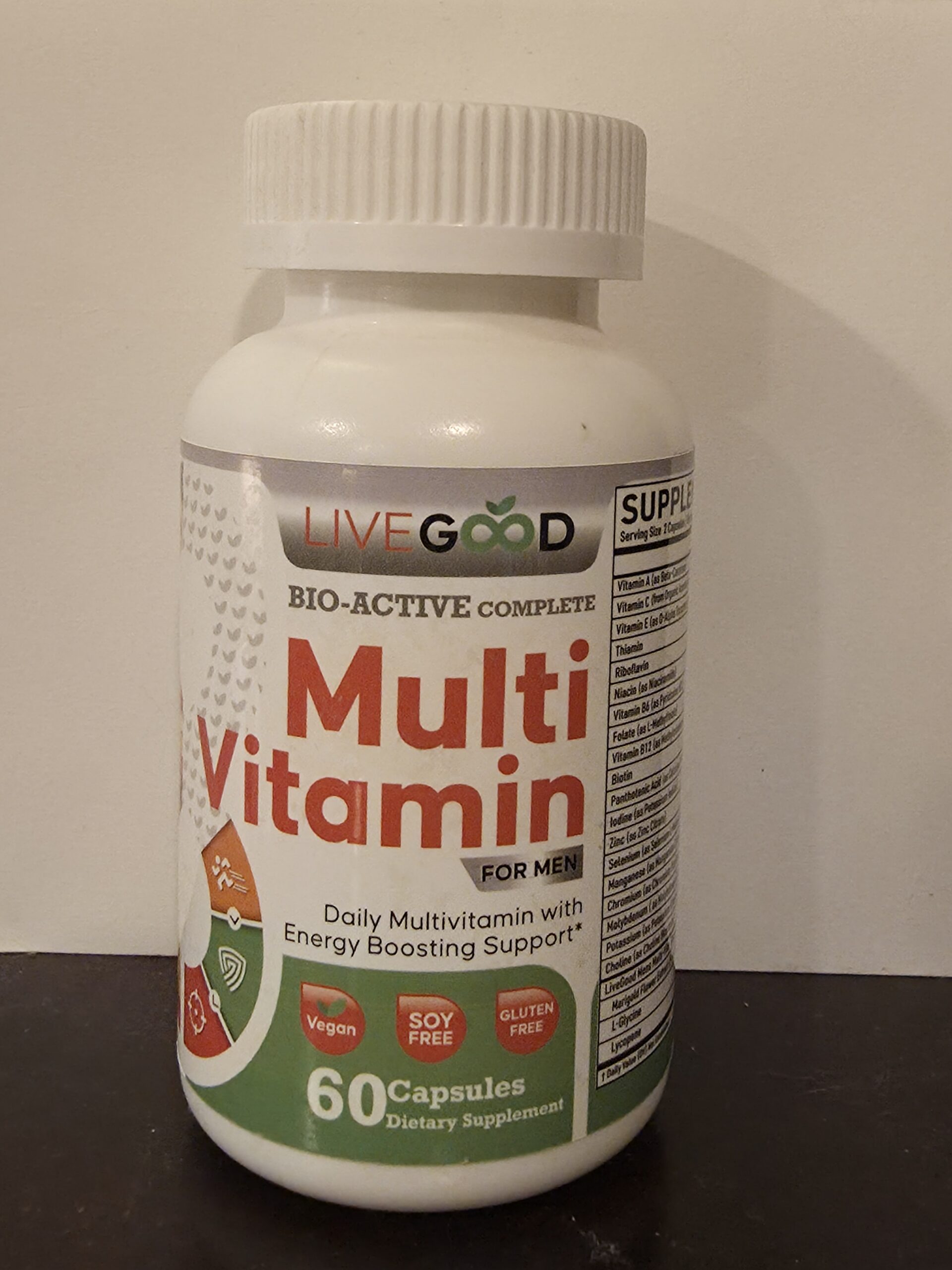
Multivitamins are a staple in the morning routine for many men, offering an easy way to fill nutritional gaps and support overall health. With so many multivitamin options on the market, it can be tough to figure out if they truly deserve a spot in your daily plan. From my own research and years of trying different types, I want to share what I’ve learned about the benefits of multivitamins for men, show how they can give you a boost, and offer some straightforward tips for making a smart choice.

Why Multivitamins Can Be Helpful for Men
Managing work, workouts, and family means busy days for lots of men, and nutrition can easily slide down the to-do list. Multivitamins are built to help fill in nutritional blanks when your meals don’t hit all the marks. They’re blends of the essential vitamins and minerals, often tailored to support men’s unique health needs, like muscle function, heart health, and energy.
Even aiming for a balanced meal plan, there have been times I’ve noticed I’m short on certain nutrients, particularly when travel or family matters mix up my routine. Research shows nutrients like vitamin D, magnesium, and vitamin B12 are often low among men in the U.S. (Harvard T.H. Chan School of Public Health). That’s one reason I think multivitamins can step up your health game.
Main Benefits of Multivitamins for Men
Taking a daily multivitamin is not a replacement for healthy eating, but it can deliver several important benefits:
- Fills Nutritional Gaps: Despite best intentions, it’s tough to get all vitamins and minerals every day, especially with a fast-paced lifestyle or restricted diets.
- Supports Immune Health: Vitamins like C, D, and zinc help the immune system work the way it should. Personally, I catch fewer colds when I keep my vitamin D steady.
- Pumps Up Energy: B vitamins are key players in energy production and metabolism. I felt much more tired when I found out I was short on B12.
- Helps Heart Health: B6, B12, and folic acid play a role in managing homocysteine levels, supporting your heart (American Heart Association).
- Keeps Bones and Muscles Strong: Calcium, magnesium, and vitamin D build muscle and bone strength. As I get older, making sure I get enough feels even more vital to staying active.
- Protects Eyesight: Nutrients such as vitamin A, E, lutein, and zinc help care for vision and may help defend against age-related eye challenges (National Eye Institute).
Key Nutrients to Look for in Men’s Multivitamins
The best men’s multivitamins are fine-tuned to line up with men’s usual nutrient needs. Here are the top ingredients I recommend checking for:
- Vitamin D: Essential for bone, immune, and muscle health. Getting adequate vitamin D from sun or food can be tricky, especially if you spend a lot of time inside or live far from the equator.
- Magnesium: Needed for nerve and muscle function, as well as energy. Many diets come up short in magnesium.
- Zinc: Supports immunity and metabolism, and is also important for testosterone support.
- Vitamin B12 and the Bs: B vitamins help with energy, nerve health, and producing healthy red blood cells.
- Selenium: Works as an antioxidant and helps reproductive health.
Some formulas throw in extras like saw palmetto, lycopene, or CoQ10, said to give a boost to prostate or heart health. I usually ask my doctor if I’m wondering about these extra ingredients.
How to Choose a Multivitamin as a Man
The supplement aisle is packed with choices. Here’s my rough game plan for picking the right one:
- Look at Your Diet: Take an honest inventory of what you eat. If you’re getting a lot of, say, iron from red meat, it might be better to skip multivitamins with lots of added iron.
- Factor In Your Age and Health: Nutrition needs switch up as we age; men over 50 need more D or B12, while active men might want more magnesium or antioxidants.
- Check Nutrient Amounts: Bigger numbers aren’t always best. I pick products that mostly match the daily amounts recommended by the National Institutes of Health (NIH Multivitamin Guide).
- Pick a Form That Works: Gummies, capsules, powders, and tablets all exist. I find tablets or capsules usually have cleaner ingredients and are easy to take.
- Look for Trustworthy Quality: Certifications from USP or NSF matter; they show the product has been checked for accuracy and purity.
Real-World Scenarios Where Multivitamins Help
Lots of men pick up multivitamins for different reasons. Here are some situations where I’ve seen multivitamins make a difference:
- Busy Days and Stressful Schedules: Work travel, late nights, or random hours can lead to skipping meals or poor food choices. A good multivitamin helps cover your nutritional bases.
- Special Diets or Picky Eating: If you’re vegan, vegetarian, or on a restricted-calorie meal plan, you might miss nutrients like B12, zinc, or iron; a multivitamin can step in.
- Aging: As men age, absorption of key vitamins, especially B12 and D, falls. For men over 50, a multivitamin can be useful insurance.
- Active Lifestyles: Exercise increases your body’s nutrient needs. I pay extra attention to nutrition and often look for a quality multivitamin when I’m working out a lot.
Tips for Getting the Best Results from Multivitamins
In my experience, multivitamins deliver best when they back up an already healthy way of life. Some top tips I’ve picked up:
- Stick to a Routine: Take your multivitamin at the same time each day so you don’t forget. I find breakfast works best.
- Combine With Food: Certain vitamins absorb better with fat in your meal—think eggs, nuts, or yogurt with your vitamins D, E, or A.
- Notice Your Body’s Reactions: Keep an eye on changes in energy, mood, or digestion. If something feels off, it’s wise to check in with your doctor.
- Don’t Skip Healthy Foods: Vitamins can fill in some gaps, but they can’t replace all the good stuff from whole foods like fiber and naturally occurring plant compounds. Aim for a variety of fruits, veggies, grains, and lean proteins.
Challenges and Precautions with Multivitamin Use
Supplements aren’t magic—there are some things to watch for. Here’s what I keep in mind:
- Mixing Supplements: Taking single-nutrient products (like extra vitamin D) alongside a multivitamin can sometimes mean you’re getting more than you need. Compare labels.
- Digestive Upset: Some formulas, particularly those high in iron, can leave me feeling queasy. Taking them with a meal or switching brands often solves the issue.
- Quality and Transparency: Because supplements aren’t as tightly regulated as prescription drugs, I only pick brands that offer clear testing and adhere to industry standards.
- Medication Interactions: Some vitamins or minerals clash with certain medications. Always play it safe by double-checking with your healthcare provider.
Digestive Upset
I sometimes deal with bloating or mild nausea after certain multivitamins, especially iron-rich ones. Changing up the time I take them, choosing a different form, or having them with my biggest meal makes a difference.
Nutrient Overlap
It’s important to see if your multivitamin has ingredients that double up with other supplements or fortified foods. Going overboard with vitamins A or iron can cause problems if you’re not careful.
Finding the Right Formula
Not all men’s multivitamins are right for everyone. Younger men might need less iron and calcium, while older men could use extra magnesium and vitamin D. For me, getting advice from a doctor or registered dietitian has been the best move for picking the right formula.
Frequently Asked Questions About Multivitamins for Men
Here are answers to some questions I often hear from friends and others starting on multivitamins:
Question: Are multivitamins necessary if I eat well?
Answer: If you eat a variety of nutrient-rich foods from all food groups and don’t have any known deficiencies, you might skip a multivitamin. But for most men, some gaps are still likely, even if you try hard to eat right all the time.
Question: Can I take multivitamins with other medications?
Answer: Some nutrients can react with prescriptions. It’s always smart to ask your healthcare provider before adding a new supplement.
Question: Will a multivitamin give me more energy?
Answer: If you were low on B12 or other crucial nutrients, you could feel a boost in energy. But if you weren’t missing anything, you might not notice a big change.
Real-World Impact of Using Multivitamins
Adding a daily multivitamin has helped boost my energy, keep my immune system strong, and took the pressure off perfect nutrition every day. Friends have had similar results, especially during tough work periods or family challenges. Some even stumbled upon vitamin deficiencies after starting a multivitamin and then talking to their doctor. This just goes to show: paying attention, doing a little homework, and talking with your healthcare provider leads to smarter, healthier choices.
Bringing a multivitamin into your daily mix is a simple move that can round out your nutrition. Team it up with solid meals and steady exercise for a practical path towards better health. Ultimately, a good multivitamin is just one tool among many—and a way to help keep your body running smoothly, no matter how busy life gets.