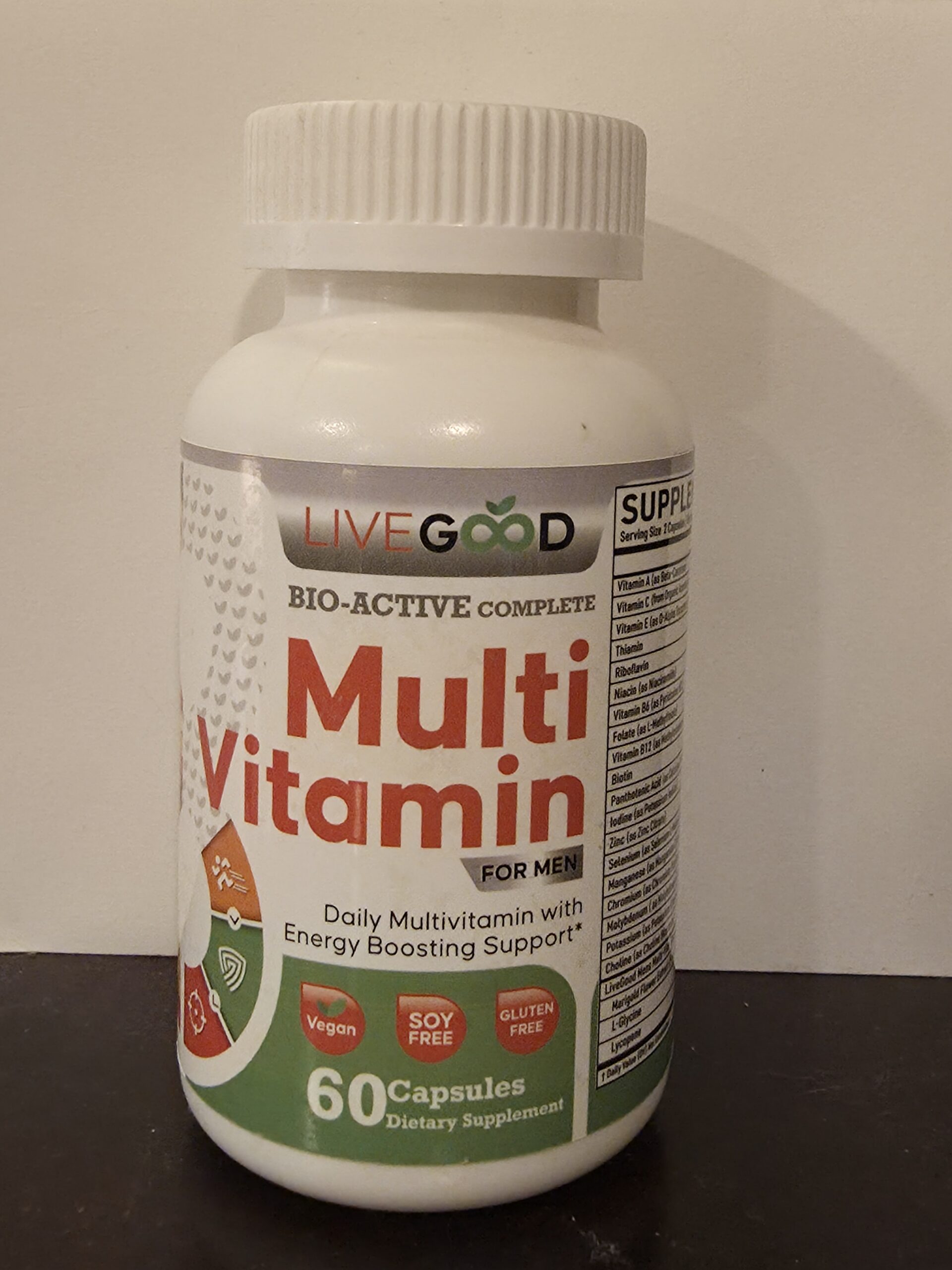
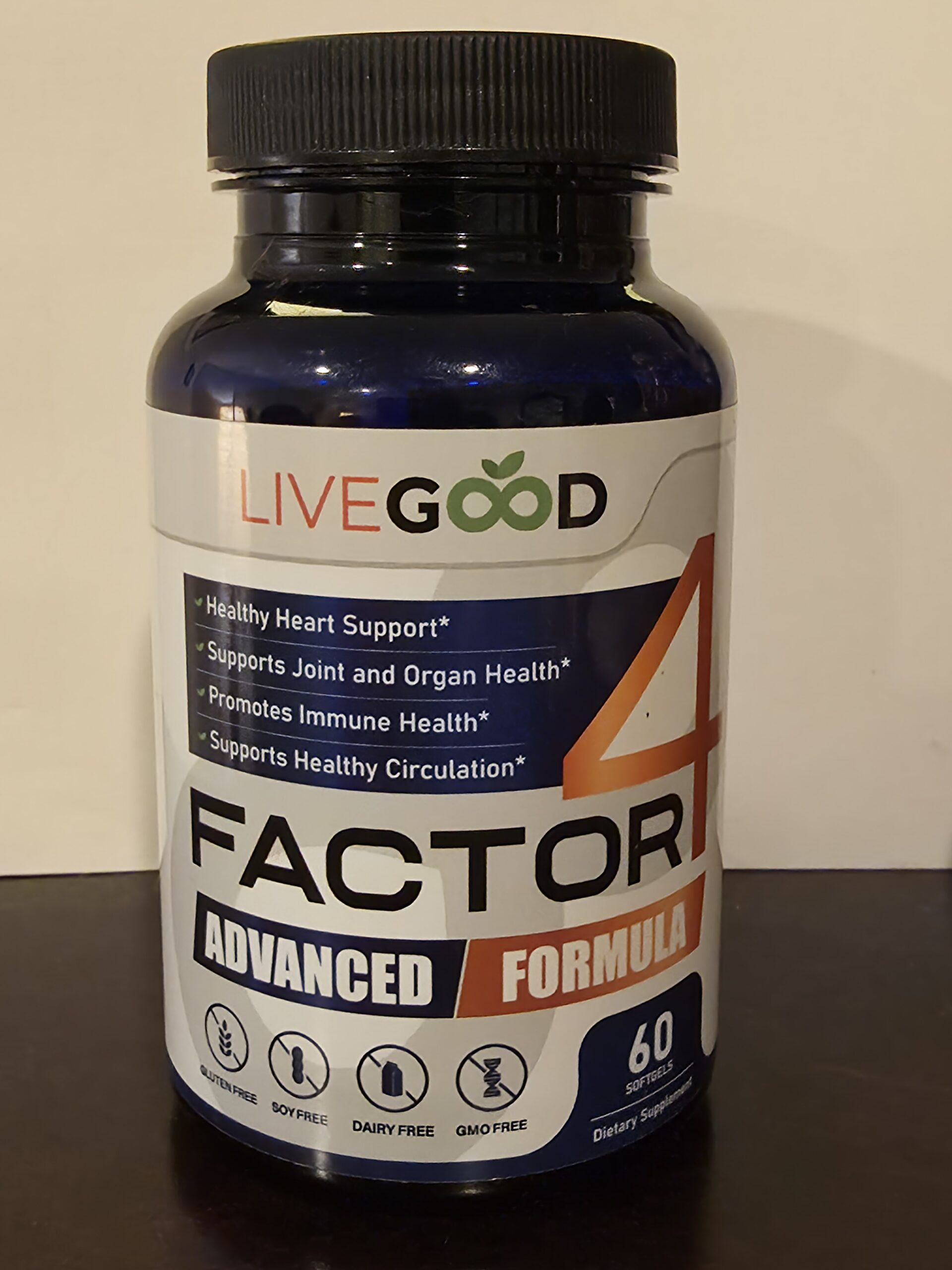
Taking care of your brain means so much more than just doing puzzles or reading the occasional article on cognitive health. For me, paying attention to what my brain gets nutritionally has always been a game changer, especially as life gets busier and memory starts feeling less sharp. Vitamins and supplements aren’t magic pills, but there’s solid science behind how some of them help keep the brain running smoothly. Here’s a straightforward look at why adding the right nutrients into your daily routine is worth considering if you want to boost your brainpower or just keep your mind clear and focused.

The Real Value of Brain Boosting Vitamins and Supplements
The interest in brain health has surged lately, which isn’t surprising, considering how much we rely on focus, memory, and overall clarity in a noisy, high-speed world. Studies keep linking certain nutrients to long term brain function, and this is really important for people who want to keep their thinking sharp; students, busy parents, older adults, or anyone working demanding jobs.
Not everyone gets every nutrient needed for optimal brain function from food alone. That’s where quality vitamins and supplements can be pretty handy. Research published in journals like Frontiers in Neuroscience and advice from healthcare pros show that the right supplements help cover gaps in diet and support everything from mental energy to memory retention.
Breaking Down the Science: Why the Brain Loves Specific Nutrients
The brain is a complex organ. It’s got around 86 billion neurons, all fueled by glucose, oxygen, and a whole spread of micronutrients we draw from diet. This means even minor deficiencies can show up as brain fog, trouble focusing, or slow recall. Here’s how vitamins and supplements support mental wellness:
- B vitamins help produce energy and regulate mood chemicals.
- Omega-3 fatty acids (like those found in fish oil or algal oil) keep nerve cells flexible and promote good blood flow in the brain.
- Antioxidants like vitamin C and E protect neurons from oxidative stress, which is a byproduct of normal energy production that can slowly wear down cells.
- Minerals such as magnesium and zinc play a part in converting signals between brain cells for clearer, faster thinking.
- Herbal ingredients (think ginkgo biloba and bacopa monnieri) have a reputation for supporting concentration and memory.
These nutrients often work best when combined, meaning that a balanced mix typically brings more noticeable results than mega doses of any single vitamin.
Getting Started: The Everyday Essentials for Brain Health
Choosing what to add can get confusing, especially with aisles of options and long ingredient lists. Here’s my practical list of nutrients supported by solid research for everyday brain support:
- B Complex Vitamins: The B family (B6, B12, folate, etc.) is involved in neurotransmitter production. Low B12 or folate alone often shows up as forgetfulness or confusion, especially with age.
- Omega 3 DHA and EPA: Major building blocks for your brain. If you don’t eat oily fish a couple times a week, fish oil or vegan algal supplements can help.
- Vitamin D: Linked to mood balance, quick thinking, and healthy inflammation response. Many people, especially those indoors a lot, fall short here.
- Vitamin C and E: Both are powerful antioxidants that defend against routine stress and age related decline.
- Magnesium: Supports focus, calm, and quality sleep by helping nerves send and receive signals efficiently.
If you’re just starting out, talking to a healthcare pro before taking anything new is a good idea, especially if you’re already on medications or have specific health conditions.
Step by Step: Making the Most of Brain Friendly Supplements
Piling on every supplement isn’t always the answer. Here’s a step by step approach that’s worked well for me and many others I’ve talked to:
- Start by assessing your current diet: Are you getting enough fresh produce, whole grains, lean proteins, and healthy fats? Supplements work best with a solid foundation.
- Pick one area to support first: Is it memory, focus, or just all around brain wellness? Identifying a goal helps you pick the supplements that matter most.
- Go for reputable brands: Not all supplements are created equal. Look for brands that offer third party testing or NSF/GMP certifications for transparency.
- Give it some time: While some nutrients like B vitamins or magnesium give a quick energy and focus lift, most benefits show up after a month or two.
- Track how you feel: Adjust dosages or switch things up if needed. I like to jot quick notes on how my mood, focus, or memory feels for a few weeks when trying something new.
Supplements aren’t a replacement for a healthy lifestyle, but they fit really well with balanced meals, good sleep, and stress management.
Things Worth Considering Before You Jump into Supplements
No one wants to waste money on stuff that doesn’t work, or worse, cause side effects. Here are a few things I always suggest weighing before investing in any brain supplements:
- Quality control and sourcing: Supplements can sometimes contain hidden fillers or not much of the active ingredient, depending on production standards.
- Personal nutrient needs: People have different baseline needs for vitamins depending on their diet, health history, and even genetics.
- Potential interactions: Some vitamins can impact how medications work, or mix in ways that change absorption rates in your body.
- Side effects: Taking way more than recommended doses can sometimes cause headaches, digestive upset, or sleep issues.
- Cost and consistency: Single supplements tend to be less costly than multis or complex blends. Simpler routines are also easier to stick with.
How I Approach Quality Control
When it comes to shopping for supplements, the saying “you get what you pay for” makes sense. I always check that any product I’m buying lists all ingredients out front, shows clear dosages, and, ideally, has info on third party lab testing. Websites like Labdoor or consumer reports are good places to double check before committing.
Understanding Your Needs
I like to do a once a year check in with my doctor or nutritionist, who helps me tweak things based on blood work or cognitive testing, rather than guessing what my body actually needs. Sometimes, skipping a supplement is the best move after reviewing those numbers.
Interactions and Dosages
Some supplements, especially fat soluble ones like vitamin D or E, build up in the body. It’s a good call to follow package directions and avoid mixing supplements unless you’re sure it’s safe. I ask a pharmacist or doctor if I want to try a few things together that I haven’t used before.
Being smart about these considerations helps get the most out of your investment and supports brain health safely and effectively.
Advanced Tips and Brain Boosting Tricks
Once your basics are covered, there are some more advanced nutritional tweaks that might offer even more support. Here are a few I’ve found interesting and useful, especially for people wanting to get the edge at work or school:
Nootropic Supplements: Nootropics is just a word for substances (sometimes natural, sometimes not) that help improve cognitive performance. Options like L-theanine (from green tea), CDP choline, or phosphatidylserine are worth exploring with your healthcare provider. Some improve alertness without the jitters of caffeine.
Targeted Herbs: Bacopa monnieri and ginkgo biloba have centuries old roots in traditional medicine and have been widely researched for their support in learning and recall. Taking the recommended amount over several weeks is key—these aren’t instant acting, but benefits build slowly.
Adaptogens: Things like ashwagandha and rhodiola help with mental resilience, especially if you’re juggling a lot of stress. They can smooth out mood swings and energy dips throughout the day.
Everyone’s response is a little different, but experimenting carefully can help you find a personalized brain boosting blend that suits your life and goals.
Nutrients in Action: How They Impact Everyday Life
Putting everything into real world terms, vitamins and supplements do more than just show up on a blood test. People using the right combination often notice:
- Sharper concentration: Days where mental focus comes easier, even during long meetings or study sessions.
- Better memory: Finding it easier to recall words, directions, or simple facts without that “brain scramble.”
- Boosted mood: Mood swings or feelings of “blah” seem a bit less intense when nutrients are balanced.
- Increased mental stamina: Less burnout and less fatigue when tackling heavy projects.
For anyone who’s juggling work deadlines, parenting, or active aging, these little wins add up to a smoother, more enjoyable everyday experience. If you’re looking for easy ways to keep track of these wins, consider using a digital journal or a simple mood tracker app, which can help you notice patterns over time and fine tune your supplement routine accordingly.
- Students and Young Adults: Supporting learning and memory, especially during test prep and tricky classes.
- Busy Professionals: Maintaining focus and decision making power in fast paced environments.
- Aging Adults: Preserving memory and supporting long term brain function as part of whole body wellness planning.
Answers to Popular Questions About Brain Supplements
It’s common to have a lot of questions. Here are some of the most common I hear:
Question: How long before I notice results from brain vitamins?
Answer: While some people feel more “switched on” in a week or so, especially with B vitamins or magnesium, most supplement benefits are more obvious after consistent use for four to eight weeks.
Question: Are natural supplements always safer than synthetic vitamins?
Answer: Not automatically. Some synthetic versions, like B12, are very effective and well absorbed. Always check safety info and stick to recommended dosages.
Question: Can kids or teens take brain vitamins or supplements?
Answer: Some basic nutrients like omega 3 or vitamin D are often safe for most ages but check with a pediatrician first. Kids’ needs differ a lot from adults’.
Bringing It All Together for Better Brain Health
Vitamins and supplements give a practical way to support the brain alongside healthy meals, good sleep habits, and daily movement. Whether you’re facing brain fog, want more focus, or just hope to keep your mind working well as you age, adding the right nutrients can be a worthwhile upgrade and help you approach daily life with extra clarity and confidence.
I recommend starting with essentials like B vitamins and omega 3s, adding vitamin D if you spend a lot of time indoors. Build from there after a little self reflection or a chat with your doctor. Small changes can help you stay sharp, handle busy days with less stress, and enjoy a brighter, more productive outlook every day.